
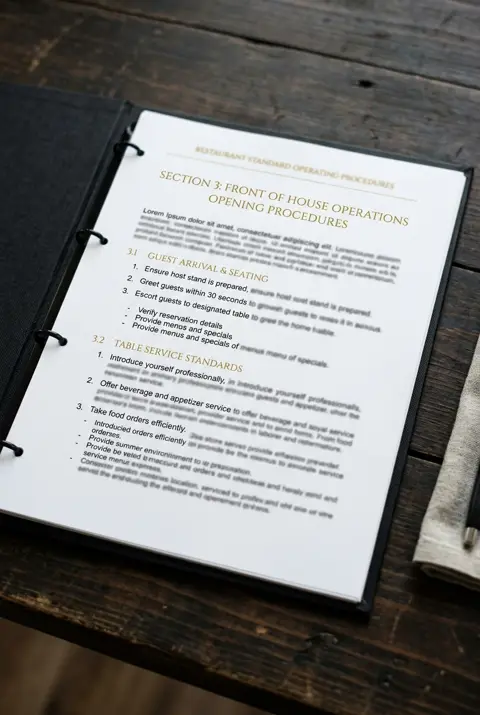
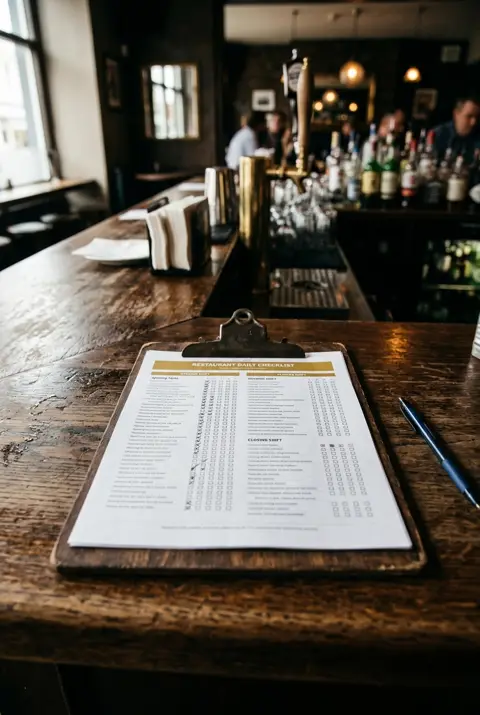

The Kitchen Manager is responsible for the smooth, safe, and efficient day-to-day operation of the back of house, ensuring the kitchen consistently delivers high-quality food, strong hygiene standards, and timely service. This role sits at the heart of kitchen operations, translating the Executive Chef’s or Kitchen Chef’s standards into reliable execution across prep, service, staffing, and compliance.
Reporting typically to the Executive Chef, Head Chef, or Kitchen Director, the Kitchen Manager acts as the operational lead for the kitchen team. They coordinate production, monitor performance, and help maintain discipline, consistency, and pace in a fast-moving restaurant, club, or lounge environment. They are also a key link between kitchen leadership, front of house, and wider management.
Key responsibilities
- Oversee daily kitchen operations, including prep, service readiness, station setup, and close-down.
- Support menu execution by ensuring recipes, portioning, plating, and quality standards are followed consistently.
- Manage stock control processes such as ordering, receiving, storage, rotation, and waste reduction.
- Maintain food safety, hygiene, and workplace health and safety standards, ensuring compliance at all times.
- Supervise, train, and motivate kitchen staff, helping to build teamwork, accountability, and strong performance.
- Monitor labour, productivity, and operational efficiency to support cost control and service targets.
- Communicate clearly with chefs, front-of-house teams, and management to resolve issues quickly and keep service flowing.
- Step in to solve problems during busy periods, equipment issues, staffing gaps, or quality concerns.
What success looks like
A successful Kitchen Manager is organised, calm under pressure, and highly hands-on. They lead by example, stay detail-focused, and balance standards with speed and practicality. They have strong communication skills, sound food safety knowledge, and the confidence to make decisions in a demanding environment. Just as importantly, they build trust with the team, maintain structure without micromanaging, and take pride in delivering a kitchen that runs smoothly, safely, and consistently every day.