

The Chief Operating Officer (COO) is the senior executive responsible for turning the business strategy of a restaurant, club, or lounge into consistent day-to-day operational performance. This role ensures that all core functions run efficiently, service standards remain high, and the business delivers a strong guest experience while meeting financial and compliance targets.
Position Overview
- Purpose of the role
- The COO oversees the full operating model of the venue or group, ensuring that front-of-house, back-of-house, administration, people, and systems work together effectively.
- This role translates ownership or board-level strategy into clear operational plans, measurable standards, and accountable execution.
- In premium hospitality settings, the COO is responsible for balancing guest experience, team performance, profitability, and brand consistency.
- Where the role sits and reporting line
- The COO sits at the top of the operations structure, typically as part of the senior leadership team.
- They usually report directly to the CEO, Managing Director, Owner, or Board, depending on the size and structure of the business.
- They often lead and support General Managers, Operations Managers, Department Heads, and other senior leaders across multiple venues or departments.
- Key areas of responsibility
- Lead operational strategy, planning, and execution across all venues or business units.
- Monitor performance against revenue, cost, labour, guest satisfaction, and service-quality targets.
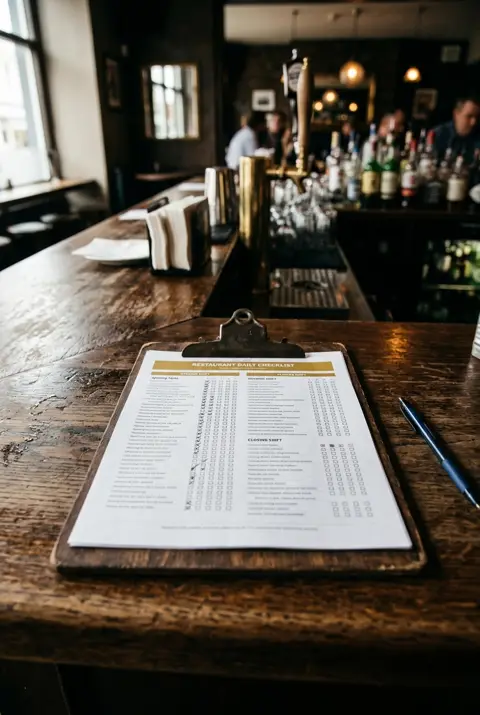
- Ensure strong systems for staffing, training, scheduling, compliance, and performance management.
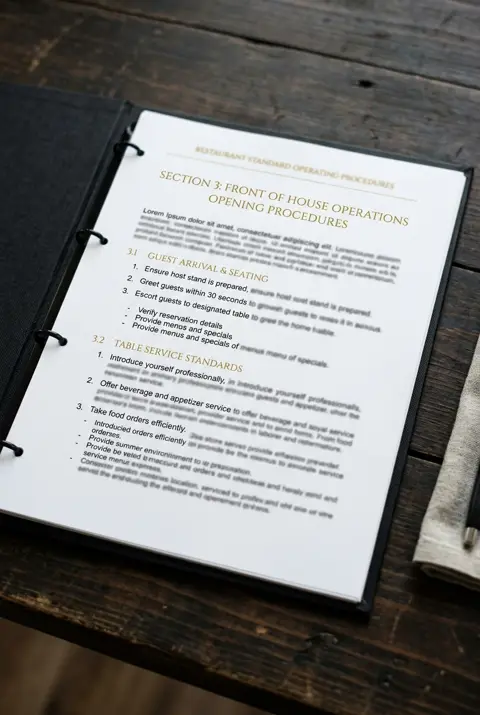
- Standardise operating procedures and maintain brand and service consistency.
- Drive guest experience, team engagement, and cross-departmental collaboration.
- Identify risks, solve operational issues, and implement continuous improvement.
- Support business growth, openings, refurbishment projects, and expansion planning.
- Type of person who succeeds in this role
- A strong, commercially minded leader with broad hospitality operations experience.
- Someone who is highly organised, decisive, calm under pressure, and able to manage complexity.
- A confident communicator who can influence senior stakeholders and motivate teams.
- A hands-on strategist who understands both the detail of daily operations and the bigger business picture.
- A leader who is values-driven, guest-focused, financially disciplined, and committed to building high-performing teams.